
 Ginger Lockie asked 1 ปี ago
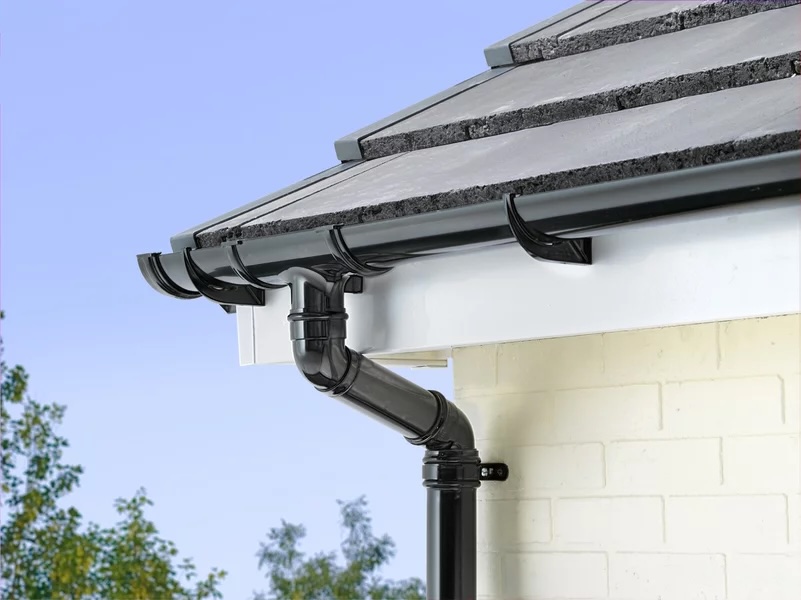 Guttering Installation: A Comprehensive GuideIn the realm of home maintenance, guttering is often a neglected however essential component. Effective guttering systems are vital for protecting the structure of a house from water damage. This post aims to supply a detailed overview of guttering installation, its importance, various gutter types, and the installation procedure itself.
 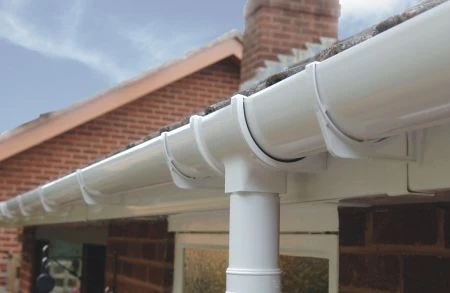 Importance of GutteringThe main function of a gutter system is to manage rainwater overflow efficiently. Here are some essential factors detailing the importance of guttering systems:
- Protection Against Water Damage: Your home’s structure, walls, and garden can suffer major water damage if rainwater is allowed to pool.
- Prevents Soil Erosion: Well-installed guttering assists prevent soil disintegration around the house by directing water far from the foundation.
- Prevents Pest Infestations: Standing water can end up being a breeding place for insects. Appropriate guttering minimizes the likelihood of insect problems.
- Protects Landscaping: Guttering helps in handling water circulation, which can secure plants and turf from being removed during torrential rains.
Types of GutteringBefore embarking on a guttering installation project, it’s important to understand the various kinds of gutters offered. Each type features its own advantages and is suited for different needs. Below is a list of common gutter types:
- K-Style Gutters:
- Shape: Flat bottom with a decorative front.
- Product: Typically made from vinyl, aluminum, or steel.
- Advantages: Can handle a large volume of water and be available in various sizes.
- Half-Round Gutters:
- Shape: Semi-circular in form.
- Product: Commonly made from copper or aluminum.
- Advantages: Adds a conventional aesthetic however might not deal with large volumes of water as effectively as K-Style gutters.
- Box Gutters:
- Shape: Box-shaped and frequently integrated into the structure of the roof.
- Product: Usually made from metal.
- Benefits: Excellent for large roofs however requires a proficient installer.
- Seamless Gutters:
- Shape: Continuous guttering without seams.
- Product: Generally made from aluminum or vinyl.
- Benefits: Reduces leakages and maintenance because there are fewer joints.
Gutter Material Comparison TableGutter TypeMaterial OptionsLife-spanCostMaintenanceK-StyleAluminum, Vinyl, Steel20-30 yearsMediumLowHalf-RoundCopper, Aluminum30-50 yearsHighMediumBoxMetal20-30 yearsHighMediumSeamlessAluminum, Vinyl20-30 yearsMediumLowGuttering Installation StepsInstalling gutters might sound challenging, however with the ideal technique and tools, it can be a manageable job. Below are the actions usually included in gutter installation:
- Planning and Measurement:
- Measure the perimeter of the roof to identify just how much gutter product you’ll require.
- Recognize downspout areas.
- Event Materials and Tools:
- Purchase gutter sections, downspouts, brackets, and end caps.
- Tools needed consist of a determining tape, level, power drill, and hanger spikes.
- Cutting the Gutters:
- Cut the gutters to the necessary lengths utilizing a hacksaw or a specialized gutter cutter.
- Setting up the Hangers:
- Begin installation at one end of the roof line.
- Space the wall mounts approximately 24 inches apart.
- Hanging the Gutters:
- Attach the gutters to the hangers using screws, ensuring a minor slope towards the downspouts for optimal drainage.
- Adding Downspouts:
- Install downspouts in the established places, linking them firmly to the gutter system.
- Sealing and Testing:
- Seal seams and joints with silicone caulk to prevent leakages.
- Test the system by running water through it to guarantee proper drainage.
Tools Needed for Guttering Installation
- Measuring Tape
- Level
- Power Drill
- Gutter Cutter (or Hacksaw)
- Silicone Caulk
- Ladder
Maintenance Tips for Guttering SystemsProper maintenance of gutter systems is important for their durability and efficiency. Here are some maintenance tips:
- Regular Cleaning:
- Clean gutters a minimum of two times a year to get rid of leaves and particles.
- Evaluations:
- Regularly check gutters for signs of wear, rust, or damage.
- Look for Blockages:
- Ensure downspouts are clear and not blocked by dirt or plant matter.
- Consider Guards:
- Gutter guards can assist decrease debris build-up, lowering cleaning frequency.
FAQs about Guttering Installation1. How frequently should I clean my gutters?It is normally recommended to clean your gutters at least two times a year, preferably in the spring and fall, or regularly if you live near a lot of trees.2. Can I set up gutters myself?Yes, if you have the right tools and follow the right steps, you can install gutters yourself. Nevertheless, if not sure, consider hiring a professional.3. What is the very best material for gutters?Aluminum gutters are cost-effective and resistant to rust. Copper gutters offer resilience but come at a greater cost. The choice mainly depends upon budget, aesthetics, and local climate.4. How do I understand if my gutters require to be replaced?Look for indications such as rust, fractures, sagging, or constant overflowing throughout rain. If repairs are regular, replacement might be necessary.5. What is the cost of gutter installation?Expenses vary substantially based on product and installation trouble, but typical setups can range from ₤ 5 to ₤ 15 per linear foot.An efficient guttering system is important for home protection versus weather-related damages. Comprehending the types, installation process, and maintenance practices improves the functionality and lifespan of your gutters. Equipped with this info, homeowners can make informed decisions about guttering installation and ensure their property stays safe and aesthetically appealing. Whether picking to undertake a DIY project or looking for professional assistance, effective guttering will pay dividends over time in safeguarding your home and landscaping from water damage.