
 Eloy Aranda asked 1 ปี ago
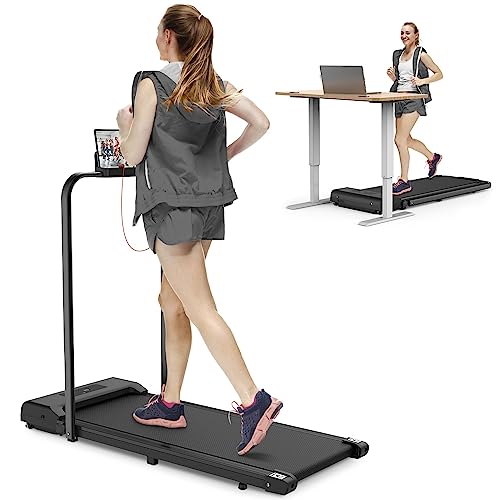 The Treadmill Machine: An Educational Guide to Your Fitness JourneyThe treadmill machine has actually become a vital tool in modern fitness routines. Whether one is a seasoned professional athlete or a newbie attempting to get into shape, a treadmill uses a hassle-free and effective method to achieve fitness objectives. This article will explore the numerous aspects of treadmill machines, their advantages, various types available, and standards for efficient usage.
  Benefits of Using a TreadmillTreadmills offer many physical and psychological health benefits that contribute to general wellness. Some key advantages consist of:
- Cardiovascular Health: Regular usage of a treadmill assists in improving heart health by enhancing the heart muscles and improving flow.
- Weight Loss: By engaging in consistent cardiovascular exercises, individuals can burn considerable calories, helping in weight-loss and management.
- Joint-Friendly Exercise: Treadmills provide a controlled environment that enables users to change speeds and slopes, making it much easier on the joints than running on tough surfaces.
- Convenience: Treadmills are especially helpful for those who reside in areas with negative weather conditions, as they can be utilized inside year-round.
- Customizable Workouts: Many contemporary treadmills come geared up with programs and functions that allow users to individualize their exercises for varying strength levels.
Health Benefits OverviewBenefitDescriptionCardiovascular ImprovementStrengthens the heart, enhancing general blood circulation and endurance.Weight ManagementReliable calorie burning resulting in weight loss.Injury PreventionReduced threat of injury due to adjustable surface areas and regulated environments.Motivation and ConsistencyOffers an indoor option that motivates regular workout no matter climate condition.Improved MoodRoutine exercise contributes to the release of endorphins, improving psychological well-being.Types of Treadmill MachinesWhile treadmills might seem straightforward, various types deal with different needs and preferences. Here are the main categories:
- Manual Treadmills: These require no power and are moved by the user’s effort. They typically use up less space and are quieter but can provide a steeper learning curve for beginners.
- Electric or Motorized Treadmills: The most common type, they feature automatic programs for speed and slope. They are generally more versatile however require electricity to run.
- Folding Treadmills: Designed for those with restricted area, folding treadmills can be collapsed and stored away when not in use, making them perfect for studio apartments.
- Incline Treadmills: These machines use the capability to raise the incline, replicating hill runs for a more effective workout.
- Industrial Treadmills: Built for heavy usage, these machines are generally found in gyms and gym and feature a variety of features and sturdiness.
Comparison of Treadmill TypesTypePower SourceBest ForSpace ConsiderationsHandbookNoneBeginners, budget-conscious usersLowElectricPlug-inDiffered strength exercisesMedium to HighFoldingPlug-inLimited space usersLowInclinePlug-inIntense cardio and strengthMedium to HighCommercialPlug-inFrequent gym usageHighTips for Effective Treadmill UseTo optimize the advantages of a treadmill routine, here are numerous tips to consider:
- Warm-Up: Start every workout with a 5-10 minute warm-up at a slow speed to prepare the body.
- Posture: Maintain an upright posture, keeping shoulders back and head up to prevent stress and injury.
- Period Training: Incorporate different speeds during exercises (high-interval training) to enhance cardiovascular physical fitness and burn calories.
- Usage Inclines: To even more boost workouts, include slope options to mimic hill running, which constructs strength in the legs.
- Stay Hydrated: Keep a water bottle close by, guaranteeing to consume before, during, and after exercises to stay hydrated.
Advised Treadmill Workouts
- Beginner’s Walk: Start at a moderate rate for 20-30 minutes, slowly including speed as comfort increases.
- Hill Intervals: Alternate between incline and flat surface areas, running uphill for 1 minute followed by walking for 2 minutes.
- Long-Distance Run: Target a steady pace for an extended duration (40-60 minutes), focusing on endurance.
- Speed Training: Change speeds every minute, beginning with a light jog to short bursts of sprinting to improve speed and cardiovascular health.
Frequently asked questionsQ1: How often should I utilize a treadmill for effective results?A1: It is typically recommended to utilize a treadmill at least three times each week for 30-60 minutes to see substantial outcomes.Q2: Can I reduce weight utilizing a treadmill?A2: Yes, with a combination of regular exercise, a well balanced diet, and portion control, using a Treadmill Small can contribute considerably to weight reduction.Q3: Do I require to warm-up before using the treadmill?A3: Yes, warming up is vital to prepare your body, decrease the risk of injury, and enhance workout efficiency.Q4: Is working on a treadmill as effective as running outdoors?A4: Both have advantages, but a treadmill permits for regulated environments, avoiding weather-related disruptions, and may have less effect on the joints.Q5: Can a treadmill assist with muscle structure?A5: While primarily a cardiovascular tool, adjusting inclines can help engage and enhance specific leg muscles.Treadmill machines are flexible and can be an integral part of a fitness journey. By understanding the different types, benefits, and efficient usage techniques, people can use the complete capacity of this equipment. Whether going for improved cardio health, weight management, or boosted mental well-being, a treadmill acts as a reputable companion on the road to physical fitness.