
 Johnnie Therrien asked 1 ปี ago
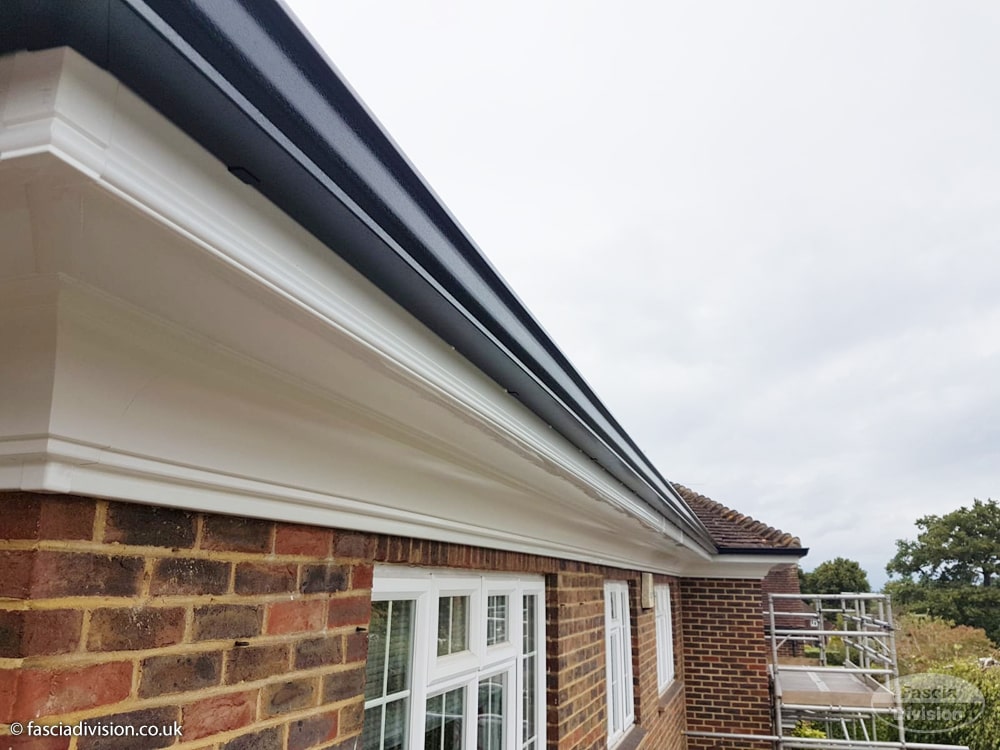 Understanding Fascia and Cladding: Essential Elements of Building DesignThe looks and functionality of a building significantly depend on the exterior design and the products used in building. Amongst the eye-catching aspects that contribute to the visual appeal and protection of a structure are fascia and cladding. This short article will explore the definitions, purposes, material options, installation processes, and advantages of fascia and cladding in structure construction. What is Fascia?Fascia describes the band of material that runs horizontally along the edge of a roofing. Its primary purpose is to support the lower edge of the roofing and serve as a barrier in between the roofline and the outside environment, successfully sealing the roof structure to prevent moisture infiltration. Furthermore, fascia boards are critical in securing the underlying structures, such as the rafter beams, from weather condition damage, bugs, and decay.What is Cladding?Cladding, on the other hand, is the external layer or covering of a building that acts as a protective and decorative façade. It is used over structural walls to supply insulation, increase toughness, and improve visual appeal. Cladding can be made from numerous products, consisting of wood, metal, PVC, stone, and composite products. Table 1: Key Differences between Fascia and CladdingCriteriaFasciaCladdingDefinitionA horizontal board at the roof’s edgeExterior covering on wallsFunctionSupports roofing system edges and prevents moistureInsulation, defense, and looksProducts UsedWood, PVC, aluminumWood, metal, vinyl, stone, brickVisual ImpactVery little vs. claddingConsiderable visual effectValue of Fascia and CladdingFascia Benefits:
- Weather Protection: Fascia safeguards roofing structures from rain, snow, and other weather condition aspects.
- Visual Appeal: It supplies a smooth transition between the roofing and the wall, adding to the overall look of the structure.
- Blocked Pests: Fascia boards avoid birds, bugs, and other pests from entering the roof area.
Cladding Benefits:
- Thermal Insulation: Cladding materials can provide extra insulation, lowering energy costs.
- Wetness Barrier: Proper cladding functions as a barrier against moisture, securing the underlying structures.
- Sturdiness: Cladding products like metal or stone are resistant to weathering and can last a long period of time with minimal maintenance.
Types of Fascia MaterialsFascia materials can differ significantly based upon efficiency, look, and expense considerations. The most common materials consist of:
- Wood: A conventional option that provides natural appeal however requires routine maintenance to avoid decomposing and deforming.
- PVC: A low-maintenance option that is waterproof and offered in various colors.
- Aluminum: Resistant to rust and simple to install, but may be less visually appealing than other products.
Types of Cladding MaterialsCladding materials incorporate a broad series of choices, each with its distinct qualities:
- Wood: Provides a natural and warm visual however requires treatment to withstand pests and weather condition.
- Vinyl: Affordable and low-maintenance, offered in panels and different colors.
- Metal (Aluminum, Steel): Provides a contemporary appearance, is long lasting, and reflects energy effectiveness.
- Brick: Traditional and strong, it provides outstanding insulation and reduces the requirement for frequent upkeep.
- Stone: Provides a high-end aesthetic and extraordinary resilience however can be expensive.
Installation of Fascia and CladdingSetting up Fascia
- Preparation: Remove old fascia (if relevant) and tidy the location.
- Procedure and Cut: Measure the length of the roofing system edge and cut the fascia product accordingly.
- Affixing: Secure the fascia board to the rafter ends utilizing nails or screws.
- Sealing: Apply caulk around joints to guarantee a leak-proof seal.
Setting up Cladding
- Preparation: Ensure the wall surface area is tidy and level. Add a wetness barrier if required.
- Framing: Install vertical battens or a framework for the cladding to connect to.
- Measure and Cut: Measure the cladding panels according to wall height and width.
- Affixing: Fix the cladding panels to the structure utilizing specified fasteners, ensuring appropriate alignment.
- Cutting and Finishing: Add trims at the edges and apply any necessary sealants.
FAQs About Fascia and CladdingWhat is the typical life-span of fascia products?The lifespan of fascia differs by material: wood can last as much as 20 years with proper maintenance, while PVC can last over 30 years, and aluminum has a lifespan even longer than that.Is cladding essential for all buildings?While cladding is not mandatory, it is highly advantageous for boosting insulation and securing the building from weather condition elements. For industrial buildings, it is practically important to ensure energy efficiency and aesthetics.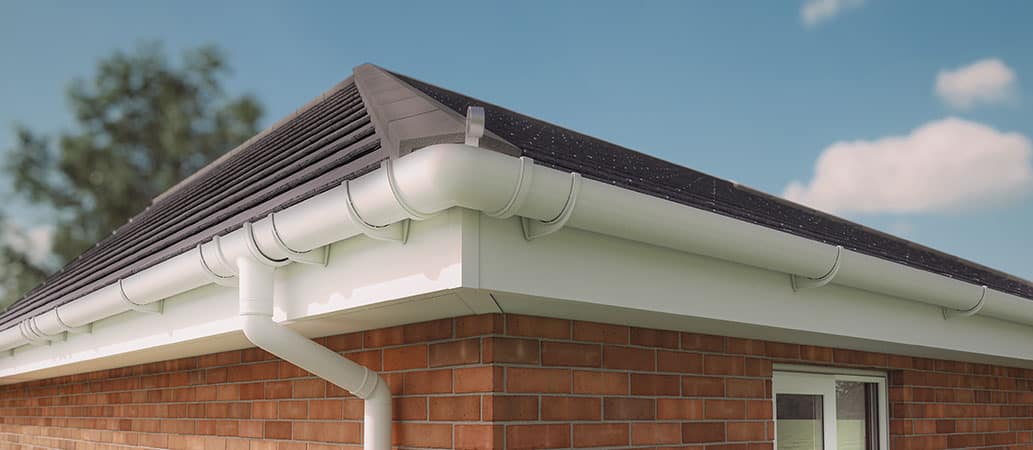 Can I install fascia and cladding myself?Do it yourself installation is possible for those with home improvement experience; however, employing specialists is recommended for guaranteeing proper installation and adherence to building regulations.Both fascia and cladding play important roles in the longevity and visual appeal of a structure. Comprehending the materials, advantages, and installation procedures of each can considerably influence the performance and overall look of a structure. By selecting the best kind of Fascia And Cladding (https://Git.Omnidev.Org/), house owners and builders can guarantee that their structures are not only appealing but also well-protected against ecological elements. As the demand for energy-efficient and aesthetically pleasing structures continues to grow, welcoming these vital components of style will remain essential.